Flywheel Energy Storage System
The rapid integration of renewable energy sources into the power grid presents challenges in maintaining grid stability, primarily due to the lack of inertial response in renewables. Traditional power plants rely on rotational inertia for stability, unlike renewable sources. To address this, flywheel technology offers a promising solution. Flywheels store and discharge energy quickly, enhancing the inertial response of the grid and ensuring stability during the transition to renewable energy. Integrating flywheels into energy storage systems is a sustainable approach to maintain grid stability. Flywheel-based energy storage systems can rapidly respond to fluctuations in electricity supply and demand, helping balance the grid and stabilize frequencies.
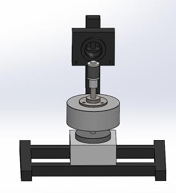
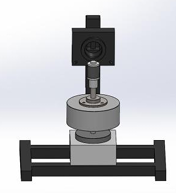
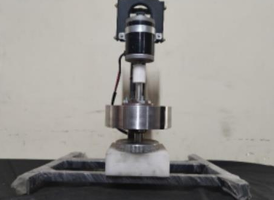
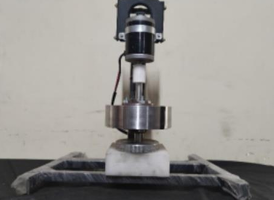
This enables a reliable and efficient transition to renewable energy while ensuring grid stability. Furthermore, the financial implications of exceeding demand limits for high-tension users emphasize the need for grid stability. Flywheels play a crucial role in this regard by providing rapid power output and response capabilities. By deploying flywheel technology, grid operators can effectively mitigate the risk of surpassing demand limits, avoiding penalties and facilitating a smoother transition towards a renewable energy future. The project includes study of Existing Inertial Response Systems and the development of Flywheel Energy Storage System for Inertial Response with the Research Grant of Rs. 1,05,000 from KCT’s Centre for exploratory research